
























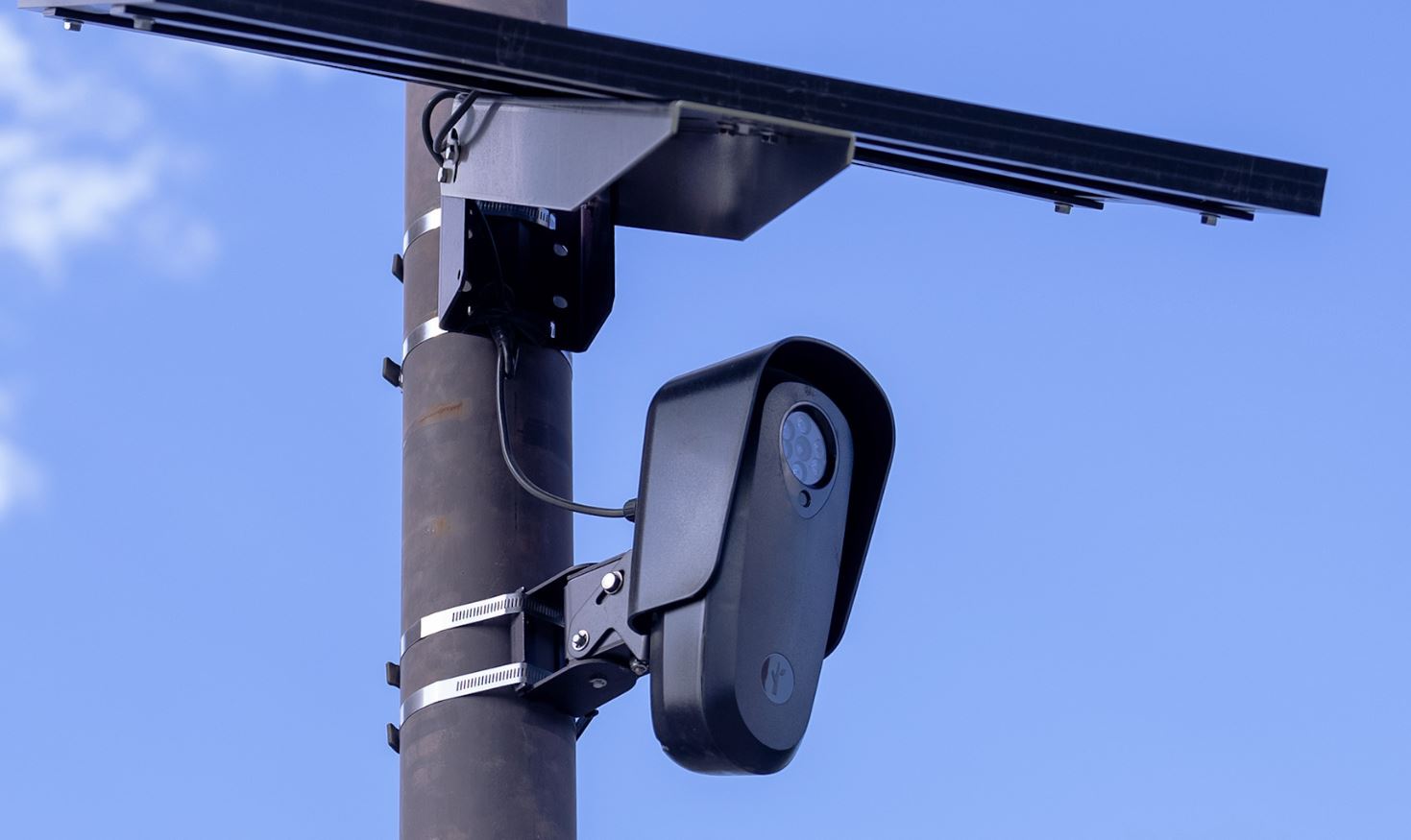
There’s a dangerous assumption taking hold across America: that if a technology helps solve crime, it must be worth the cost. On the surface, automated license plate reader systems—like those deployed by Flock Safety—seem like an obvious win. Cameras capture vehicles entering and leaving neighborhoods, alert law enforcement to stolen cars, and provide investigative leads. Simple. Effective. Reassuring.
But that reassurance is built on a fragile—and potentially dangerous—foundation.
Flock cameras don’t just capture suspects. They capture everyone.
Every car. Every trip. Every visit to a doctor, a church, a political meeting, or a friend’s house. Over time, this creates a detailed, searchable record of innocent people’s movements—people who are not suspected of any crime. This is not targeted policing; it is passive, mass surveillance.
And here’s where the real danger deepens: many police departments are not just using this data—they are allowing a private company to retain it.
That should stop us cold.
When a government agency collects data, it is—at least in theory—bound by constitutional constraints, public records laws, and oversight mechanisms. Citizens can challenge misuse. Courts can intervene. Elected officials can be held accountable.
Private companies operate in a very different space.
When a department partners with a company like Flock Safety and permits it to store and manage the data, it effectively outsources a core government function—surveillance—into a realm with fewer safeguards and far less transparency. What happens to that data? How long is it stored? Who else can access it? Can it be sold, breached, or repurposed?
In many cases, the answers are unclear—or worse, buried in dense contracts the public never sees.
This creates a dangerous loophole. Law enforcement can gain access to expansive datasets without fully “owning” the responsibility for them. Meanwhile, citizens lose visibility into how their movements are tracked and used.
The implications go far beyond privacy.
History has shown us that surveillance tools, once established, rarely remain confined to their original purpose. Systems built to track stolen vehicles can easily be used to monitor protests, identify political opponents, or map the habits of ordinary citizens. Without strict limits, what begins as a crime-fighting tool can evolve into an instrument of control.
And unlike traditional policing methods, this surveillance is invisible. You don’t see it happening. You don’t consent to it. You can’t opt out.
Proponents argue: “If you’re not doing anything wrong, you have nothing to worry about.” That argument misses the point entirely. The issue isn’t guilt—it’s power.
A society where every movement is recorded and stored—potentially by private entities—is a society where power quietly shifts away from the individual. It erodes the expectation of anonymity in public spaces, an expectation that has long been a cornerstone of a free society.
This is not a call to abandon technology. Tools that help law enforcement do their jobs matter. But they must be deployed with clear limits, strict data retention policies, and—most importantly—public accountability.
At a minimum, any use of license plate reader systems should require:
- Transparent policies on data collection and retention
- Strict limits on how long data is stored
- Clear prohibitions on sharing data beyond defined law enforcement purposes
- Public disclosure of contracts with private vendors
- Independent oversight to prevent misuse
And perhaps most critically: law enforcement—not a private company—must retain full control and responsibility for the data.
Because once that line is crossed, we are no longer just talking about policing.
We are talking about the normalization of mass surveillance—outsourced, unaccountable, and quietly embedded into everyday life.
That should concern every one of us.
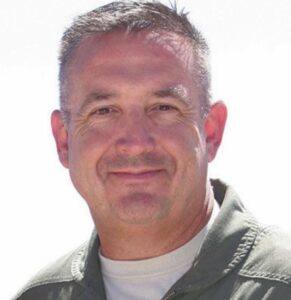
ABOUT THE AUTHOR: Col. Craig J. Walker, USAF (Retired) first moved to Navarre in 1997. During his military career he logged over 4,000 hours in various aircraft and was awarded two Distinguished Flying Crosses (both with Valor), for his actions during Operation Enduring Freedom. In May 2025 he was inducted into the Air Commando Hall of Fame. He’s now retired and living in Holley By The Sea.